Robert Kiyosaki's *Rich Dad Poor Dad* changed how millions think about money. If you loved its no-nonsense approach to financial literacy, you'll devour these 10 books that continue the conversation.
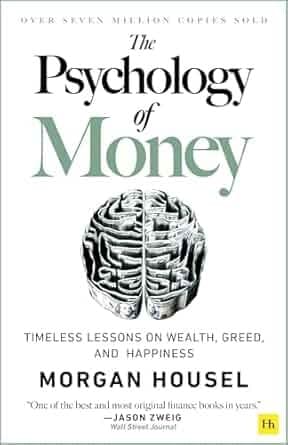
1. The Psychology of Money — Morgan Housel
Perhaps the best spiritual successor to Rich Dad Poor Dad. Where Kiyosaki taught you to think differently about assets, Housel teaches you to think differently about behavior.
Doing well with money isn't necessarily about what you know. It's about how you behave.
Why you'll love it: It's full of unforgettable stories that reframe everything you thought about money, investing, and wealth.
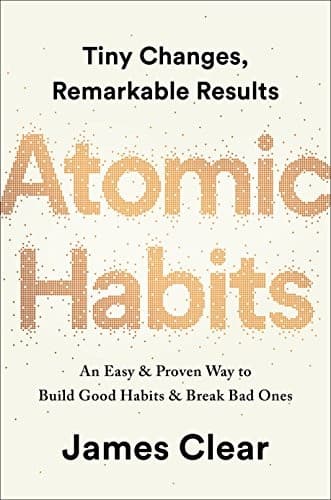
2. Atomic Habits — James Clear
While not strictly a finance book, the habit-building framework applies perfectly to financial discipline. Building wealth is a habit, not a windfall.
Every action you take is a vote for the type of person you wish to become.
Why you'll love it: It teaches you the systems that make saving, investing, and smart spending automatic.
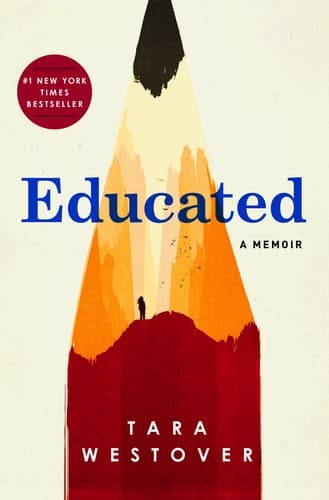
3. Educated — Tara Westover
A different kind of wealth story—one about the wealth of knowledge. Tara's journey from an isolated survivalist family to Cambridge University shows that the biggest investment is in yourself.
Why you'll love it: It proves that education (formal or self-directed) is the ultimate asset.
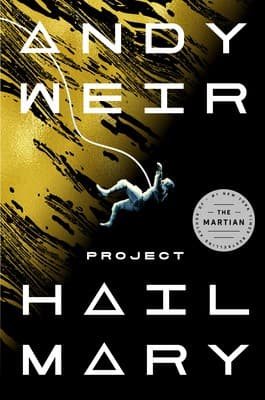
4. Project Hail Mary — Andy Weir
This might seem surprising on a finance list, but hear us out. The problem-solving mindset in this sci-fi thriller embodies the entrepreneurial spirit Kiyosaki preaches. Innovation, resourcefulness, and never-give-up attitudes translate directly to business.
Why you'll love it: Because sometimes the best business lessons come from unexpected places.
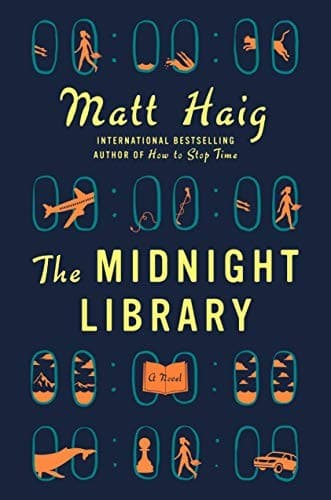
5. The Midnight Library — Matt Haig
Rich Dad Poor Dad is ultimately about choices. The Midnight Library takes that concept to its philosophical extreme—what if you could see every life your different choices would have created?
Why you'll love it: It's a beautiful reminder that financial freedom is a means to living a fuller life, not an end in itself.
What Makes These Books Special
Each of these books shares DNA with Rich Dad Poor Dad: they challenge conventional thinking, encourage financial independence, and provide frameworks for building a better life. Whether you start with the behavioral finance of Housel or the memoir of Westover, you'll find the same spirit of questioning the status quo.
Happy reading, and remember: your financial education doesn't stop with one book.